Barndominium Builders in Gloucester County, New Jersey
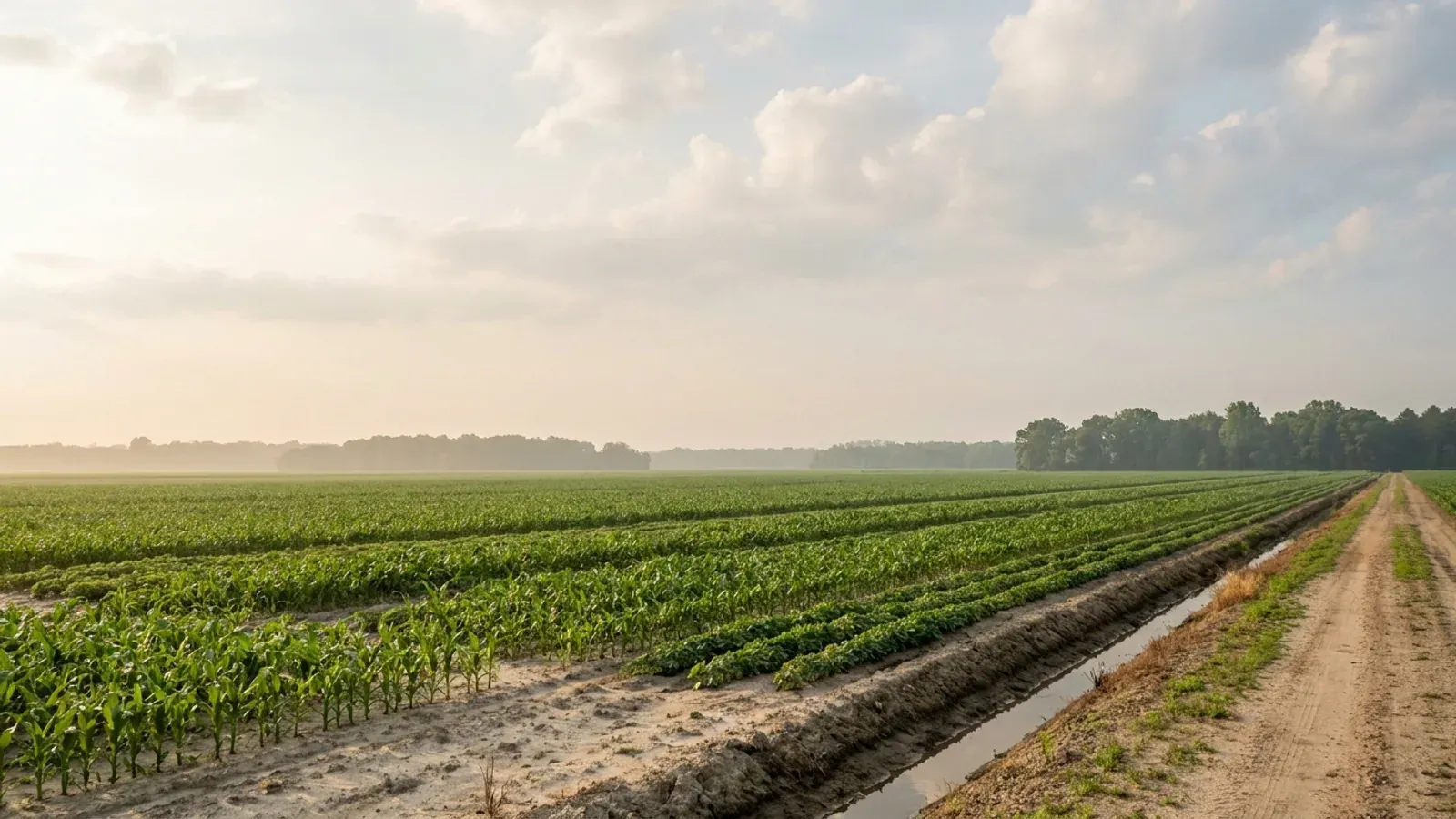
Gloucester County still has real farm country, which makes it one of the more natural places in South Jersey for a barndominium with acreage, a shop or room for animals. The county's own inventory counts 19,730 acres of permanently preserved farmland as of January 2025, most of it in the southern and central townships such as South Harrison, Elk, Harrison, Woolwich and East Greenwich. We build barndominiums, shouses and South Jersey pole barn homes for landowners across Gloucester County, from kit packages to turnkey builds, and we plan the site work alongside the building: well, septic, driveway and the order of approvals. A rural lot here usually moves through three offices. The Gloucester County Department of Health reviews and approves the septic system; the municipality's construction office issues the building permit, because the county issues none; and in Franklin or Monroe Township the Pinelands Commission gets a look first. One naming trap: Gloucester City and Gloucester Township are in Camden County, not here. Tell us about your parcel and we will check which of those steps it needs.
Gloucester County at a glance
- County
- Gloucester County, New Jersey
- Construction permit
- Each municipality’s construction office
- Septic approval
- County health department
- Local facts on this page
- 5, each linked to its source
Before you build in Gloucester County
The local answers that shape a build here, each taken from the office or document that publishes it. Rules change, so we confirm them again against your parcel before drawing.
Each municipality's own or shared construction office (no Gloucester County town is on DCA's regional-office list)
Gloucester County issues no building permits. Each of its 24 municipalities enforces the Uniform Construction Code through a construction official, its own or one shared with a neighbouring town. None of them appears on the Department of Community Affairs' list of municipalities whose code enforcement is handled by its Northern or Southern Regional Office.
Source: Local (Regional) Code Enforcement Offices, New Jersey Department of Community Affairs (nj.gov)
Gloucester County Department of Health, Environmental Health division
The county health department reviews septic plans and approves installations for homes producing under 2,000 gallons of sewage a day; larger systems go to the state environmental department. A new system must be certified before use through a License to Operate, and repairs or alterations need approval too.
Source: Septic Systems, Gloucester County (gloucestercountynj.gov)
- Health department for all 24 towns
- The New Jersey Department of Health's directory of local health departments, dated July 8, 2026, lists the Gloucester County Department of Health & Senior Services in Sewell as the local health department for all 24 Gloucester County municipalities, from Clayton and Elk Township to Woolwich.
- Septic and well application extras
- The county's submission requirements (read September 2026) say septic plans expire after two years; a Pinelands property adds a Commission Notice of Filing; Deptford Township's board of health issues its own permit first; and Clayton, West Deptford, Mantua Township, Monroe Township and Washington Township (Gloucester County) need a utilities authority waiver.
- Pinelands townships
- The Pinelands Commission's municipality list, revised February 2025, names two Gloucester County municipalities as partly inside the State-designated Pinelands Area: Franklin Township and Monroe Township.
- Preserved farmland by township
- The county's Preserved Farmland and Open Space Inventory, as of January 2025, totals 19,730 acres of permanently preserved farmland. South Harrison Township leads with 3,830 acres, followed by Elk Township with 3,486; Harrison, Woolwich and East Greenwich Townships each hold about 1,650 to 1,720 acres.
- How farmland preservation works
- Gloucester County's Farmland Preservation Program buys the development rights on farms so the land is permanently preserved and restricted to agricultural uses, following State Agriculture Development Committee rules. The office also oversees the state and municipal eight-year development easement programs.
Source: Directory of Local Health Departments in New Jersey (07/08/2026) (nj.gov)
Source: Submission Requirements for Wells & Septic Systems, Gloucester County (gloucestercountynj.gov)
Source: Pinelands Municipalities, New Jersey Pinelands Commission (nj.gov)
Source: Preserved Farmland and Open Space Inventory, as of January 2025, Gloucester County (gloucestercountynj.gov)
Source: Farmland Preservation Program, Gloucester County (gloucestercountynj.gov)
Finding land in Gloucester County
The buildable acreage in Gloucester County is mostly in its southern and central townships, where working and preserved farms still make up much of the landscape. Near the river and along the main highways the towns are suburban, and land there is a subdivision lot on public sewer. Three checks come first on a rural parcel. Is the farm under a preservation easement, which restricts the land to agriculture? Is it in the Pinelands portion of Franklin or Monroe Township? And will the town's utilities authority need to waive sewer before the county reviews a septic plan? For comparable ground, see the Salem County and Cumberland County pages.
Where we build in this part of New Jersey
Camden, Cherry Hill, Vineland & South Jersey
- Camden
- Cherry Hill
- Vineland
- Millville
- Camden County
- Burlington County
- Gloucester County
- Salem County
- Cumberland County
Barndominium kits and plans for Gloucester County
A kit package, a custom plan or a turnkey build. The parcel decides the budget more than the floor area does, so we price against your land rather than a rate card.
Barndominium Kits
Barndominium kits and prefab shell packages for New Jersey land, sized to the snow and wind values for your exact site and the state's frost depth.
Custom Plans
Custom barndominium plans for New Jersey: a concept layout fitted to your lot, then a permit set sealed by a New Jersey-licensed professional.
Turnkey Builds
Turnkey barndominiums in New Jersey: land checks, approvals, septic, well, frame and finishes under one contract, through to the certificate of occupancy.
Have land in Gloucester County, or a parcel in mind? Tell us about it and what you want to build, and we will check it against the local rules before anything is drawn.
Building in Gloucester County: questions
Start the surveyHow much does it cost to build a barndominium in Gloucester County?
Do I need a building permit for a barndominium in Gloucester County, New Jersey?
Who approves a septic system in Gloucester County?
Can I build a barndominium on farmland in Gloucester County?
Keep reading
What usually comes next once you know what Gloucester County allows.
Barndominium Cost Guide
Third-party cost ranges by build type and size, and what moves the number on your land.
Read itIs a Barndominium Legal in New Jersey?
Zoning, septic and who inspects, before you buy the land.
Read itHow Long Does It Take?
From parcel to move-in, and which steps set the clock.
Read itSources for this page
The published pages behind the Gloucester County facts above. Rules change, so check the current version with the office before you rely on it.
- Local (Regional) Code Enforcement Offices, New Jersey Department of Community AffairsConstruction permit authoritynj.gov
- Septic Systems, Gloucester CountySeptic approvalgloucestercountynj.gov
- Directory of Local Health Departments in New Jersey (07/08/2026)Health department for all 24 townsnj.gov
- Submission Requirements for Wells & Septic Systems, Gloucester CountySeptic and well application extrasgloucestercountynj.gov
- Pinelands Municipalities, New Jersey Pinelands CommissionPinelands townshipsnj.gov
- Preserved Farmland and Open Space Inventory, as of January 2025, Gloucester CountyPreserved farmland by townshipgloucestercountynj.gov
- Farmland Preservation Program, Gloucester CountyHow farmland preservation worksgloucestercountynj.gov
Other New Jersey locations close by
Across a municipal line the construction office, zoning and health agency can all change, so each place has its own page.
Building in Gloucester County?
Start with the survey. Tell us where the land is and what you want on it, and we will come back with which offices approve it, what the lot will allow, and a plan to fit.