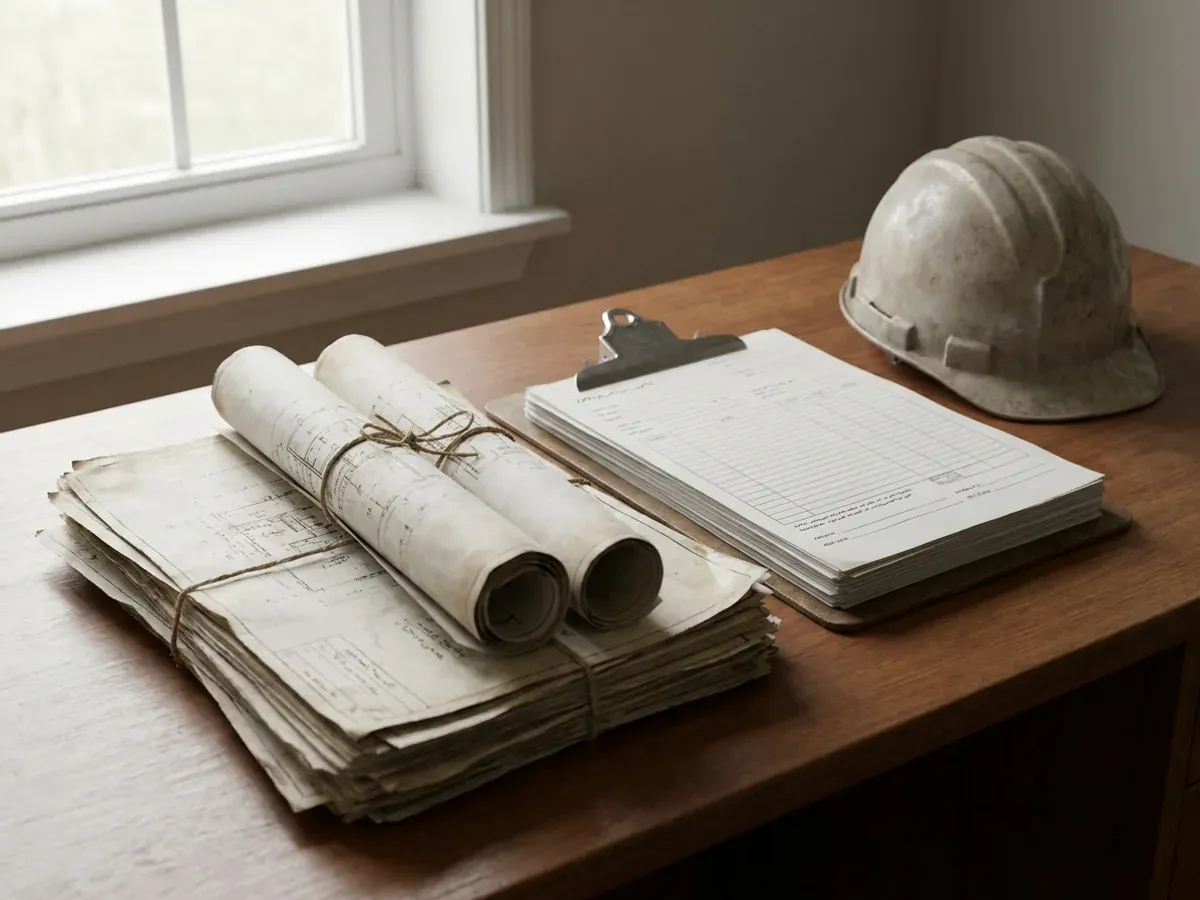
Barndominium Permits and Approvals in New Jersey
Every barndominium in New Jersey is built under the state's Uniform Construction Code, and the one- and two-family dwelling subcode is the 2024 International Residential Code, New Jersey edition, in effect since August 17, 2026. The construction permit comes from your municipality's construction office, not the county. Around it sit the other approvals a new house on its own land usually needs: zoning, a septic permit from the board of health, a well permit, and, depending on where the land is, Pinelands, Highlands, coastal, wetlands or flood hazard review. We work out which apply to your parcel and put them in the right order.
Permitting & Approvals: how the work runs
Four stages, in this order. The sequence matters more than it looks: settling the zoning, the septic soil tests and any Pinelands, Highlands, coastal or flood review before anything is fabricated is what keeps a New Jersey build from stalling.
Zoning and overlays first
Zoning is municipal, so we start with the town's ordinance for the lot. Then we check the overlays that can come before a town permit: the Pinelands, where development needs an application to the Pinelands Commission as well as the municipality, the Highlands rules, the coastal CAFRA rules, and the state's wetlands and flood hazard rules.
Septic and water
Where there is no public sewer, a New Jersey licensed professional engineer designs and seals the septic system from soil logs and permeability tests, and the board of health with jurisdiction issues the permit. A private well is drilled under a well permit by a licensed well driller.
The construction permit
The permit application goes to the municipal construction office, or the Department of Community Affairs where it is the town's enforcing agency, with a plan set sealed by a New Jersey-licensed architect or professional engineer. The construction official and the building, plumbing, electrical and fire subcode officials review it.
Inspections and the certificate of occupancy
The construction office inspects at each stage listed on the permit: footings, framing, the plumbing, electrical and mechanical work by licensed trade contractors, insulation and final. When everything passes, it issues the certificate of occupancy.
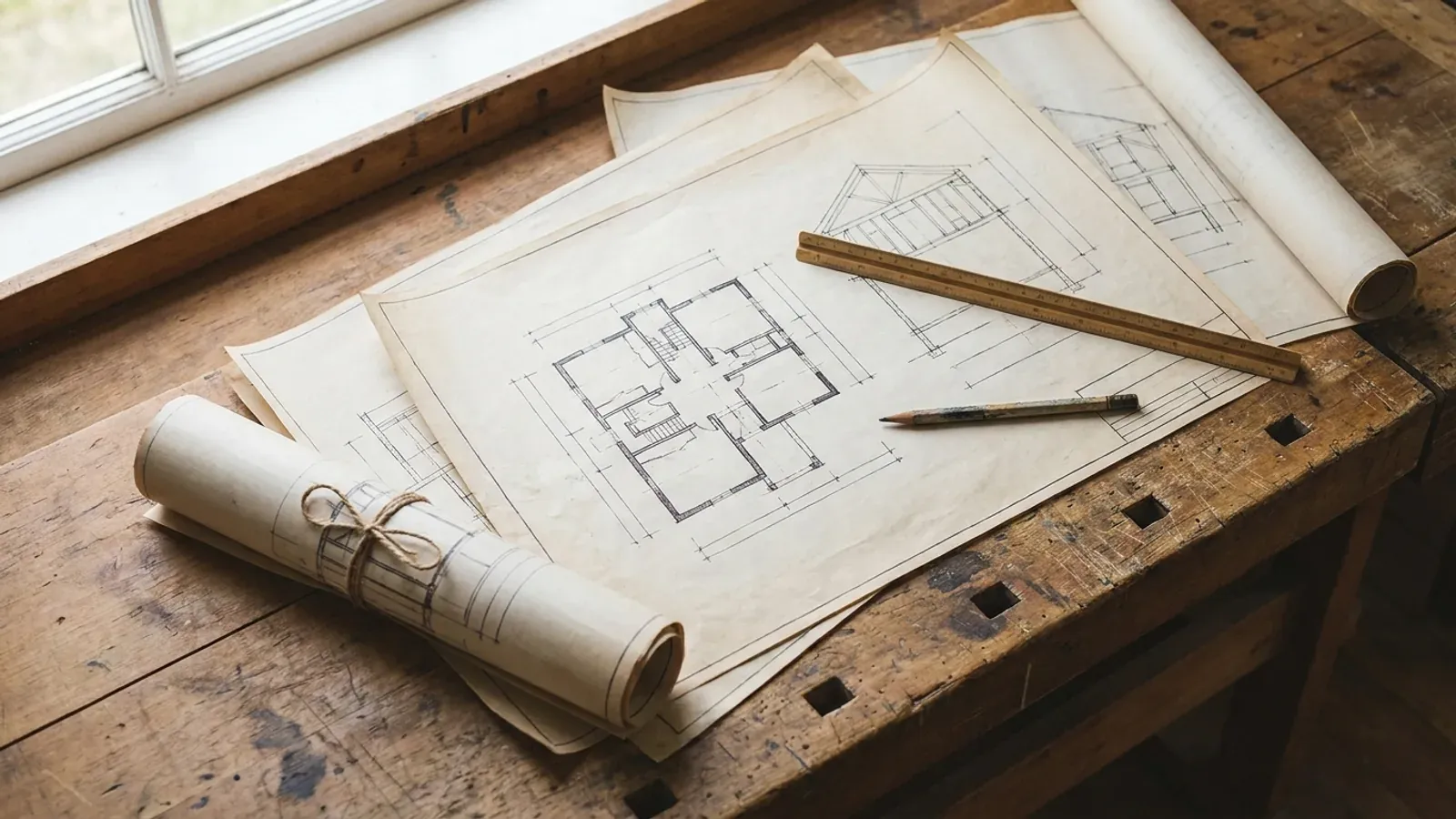
New Jersey has one construction code, enforced in every town
The Uniform Construction Code applies in every New Jersey municipality. Each town enforces it through its own construction office, a construction office shared with a neighbouring town, or the Department of Community Affairs, which takes on enforcement in municipalities that have asked it to. The state even fixes the frost depth for your county. What changes from parcel to parcel is everything around the building permit: zoning, the septic approval, and whether the land sits in the Pinelands, the Highlands, the coastal zone or a flood hazard area.
Where we deliver permitting & approvals
In New Jersey the line that matters is the municipal boundary. The construction code is the same everywhere, but each municipality has its own zoning and its own construction office, or shares one, or uses the Department of Community Affairs as its enforcing agency. Counties issue no building permits. Cross a town line and what changes is who reviews the drawings, how the land is zoned and which board of health approves the septic system; cross into the Pinelands, the Highlands or the coastal zone and a regional or state review can come first.
Barndominium builders across New Jersey.
Every town and county we build in has its own answer on zoning, septic and regional overlays. The service area pages set out what each one publishes.
What actually decides the price
Square footage is the number everyone leads with, and it is rarely the one that moves a barndominium budget. These four do.
-
Overlays on the parcel
Pinelands, Highlands, coastal, wetlands or flood hazard review adds applications, professional reports and time before the town permit. A lot outside all of them is simpler.
-
The septic design
Soil conditions decide whether a conventional system works or an alternative design is needed, and the Pinelands have their own nitrate standard for septic systems.
-
Zoning relief
A variance or a site plan approval from the town's board adds hearings, notices and fees. Checking the zoning before buying land avoids most of it.
-
The sealed set
A larger or more complex house, or one in a flood zone, needs more professional time and more sheets in the sealed set the construction office reviews.
Permitting & Approvals in New Jersey: common questions
8 questions we get asked most often about building in New Jersey. If yours is not on the list, ask it directly.
Does New Jersey have a statewide building code?
Who issues the building permit for a barndominium in New Jersey?
Does a barndominium on a farm need a construction permit?
Who approves the septic system?
Do I need an architect or an engineer?
What if my land is in the Pinelands?
Does a house near the ocean need a CAFRA permit?
What snow load and wind speed apply?
Sources
- Current construction codes — New Jersey Department of Community Affairs
- N.J.A.C. 5:23-2, construction permits and sealed plans — New Jersey Department of Community Affairs
- N.J.A.C. 5:23-3, including the one- and two-family dwelling subcode (IRC/2024, New Jersey edition) — New Jersey Department of Community Affairs
- Bureau of State and Local Code Inspections — New Jersey Department of Community Affairs
- Listing of municipal construction code enforcement officials — New Jersey Department of Community Affairs
- N.J.A.C. 7:9A-3.5, permit to construct or alter a septic system — Legal Information Institute
- Comprehensive Management Plan summary — New Jersey Pinelands Commission
- N.J.A.C. 7:7-2.2, when a CAFRA permit is required — Legal Information Institute
- Bulletin 19-1, Design Loads for Ground Snow, Wind and Seismic — New Jersey Department of Community Affairs
Keep reading
The pages that answer the next question this one raises.
Are Barndominiums Legal in New Jersey?
The statewide construction code, municipal zoning and the overlays in detail.
Read itHow Long Does It Take?
How the approvals your parcel needs change the schedule.
Read itWhere We Build
Which construction office and board of health cover your parcel, town by town.
Read itReady to put permitting & approvals against a real plan? Start there and the rest follows.
Tell us about the land
Tell us where the parcel is and what you want on it, and we will come back with who has jurisdiction, what the land needs before it can be built on, and a realistic budget range. Starting the survey costs nothing.